Adiradh offers Cable Height Meter solutions for measuring the height of overhead electrical cables and conductors. Moreover, these meters help electrical teams check cable clearance during inspection, maintenance, and site work. Therefore, technicians can use cable height measurements to support routine checks on overhead lines.
Cable Height Meter equipment helps users measure the distance between the ground and an overhead cable. In addition, it can help check the position of cables near roads, buildings, industrial areas, and other structures. As a result, users can collect height data without relying only on visual checks.
Furthermore, cable height measurement can support power distribution, utility maintenance, electrical inspection, and construction work. The exact measuring range and method depend on the selected model. Therefore, users should choose the meter according to the cable type, site conditions, and required measurement range.
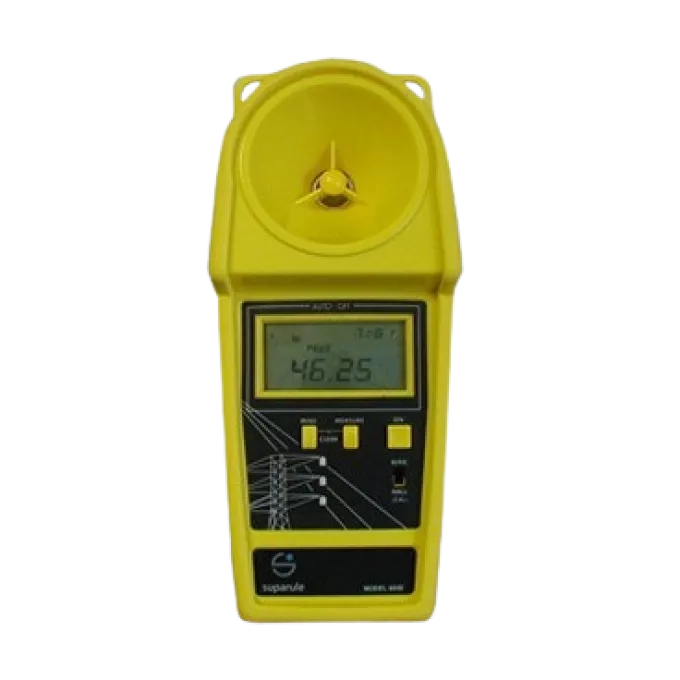
A Cable Height Meter provides a simple way to measure the height of overhead cables. First, the user places or points the instrument according to the manufacturer’s instructions. Next, the meter measures the distance to the cable. The user can then read the height on the instrument display.
Moreover, cable height meters can help reduce the need for manual height estimation. They can also support field teams during inspection and maintenance work. Furthermore, a portable design can make it easier to carry the instrument between different inspection points.
The exact features vary between models. For example, some instruments may support non-contact measurement, while others may use a different sensing method. Therefore, users should check the model specifications before selecting a Cable Height Meter for a particular application.
Brochure for Cable Height meters CHM
Brochure for Cable Length Meter TDR900
The Cable Height Meter is designed for field measurement of overhead cable height. It can help electrical technicians and inspection teams collect useful height data during site visits. Moreover, the instrument can support checks on overhead power lines and other elevated cables.
Accurate height data can help teams understand the position of a cable above the ground. In addition, technicians can use the readings during maintenance planning and electrical inspection. Therefore, the meter can form part of a wider inspection process.
Furthermore, the compact nature of a dedicated height meter can help field teams carry out measurements at different locations. However, users should follow the manufacturer’s operating method and safety instructions for each model.
Cable Height Meter technology allows users to measure the height of overhead cables without relying on visual estimates alone. First, the instrument detects or measures the cable according to its sensing method. Next, it processes the measured distance. Finally, it displays the height for the operator.
Moreover, a digital measurement system can provide a clear reading for field records. In addition, portable equipment can help technicians move between inspection points with less setup time. Therefore, the instrument can support routine cable inspection work.
The measurement method depends on the selected product. Some models may use non-contact sensing, while other designs may use different measurement methods. Consequently, users should select the correct model based on the cable type, site conditions, required range, and measurement method.
Adiradh Energy offers Cable Height Meter in India; Hyderabad; Visakhapatnam; Vijayawada; Chennai; Puducherry; Trichy; Coimbatore; Hosur; Bangalore; Hubli; Mysore; Cochin; Kolkata; Pune; Goa; Mumbai; Thane; Kanpur; Jaipur; Nagpur; Delhi; Noida; Gurugam; Bhopal; Vadodara; Ahmedabad; Chandigarh; Chandigarh; Tata Nagar; Raipur; Rudrapur; Durgapur; Kharagpur; Raigarh; Bhilai; Angul; Haldia; Jabalpur; Indore; Jamshedpur; Rajahmundry; Bokaro Steel City; Salem; Kochi; Rourkela; Ahmedabad ;Jamnagar; Bharuch; Sri City; Nashik; Haridwar; Mathura; Aurangabad; Bhubaneswar and other cities

Adiradh Energy Pvt.Ltd
Lakshmi Nilayam, #15-29-887/C2,
Rd Number 2, Kukatpally Housing Board Colony,
Hyderabad, Telangana 500072

Mobile : 9440761200
Land line : 04023051200

info@adiradh.com

2025 - Industry. All Rights Reserved.