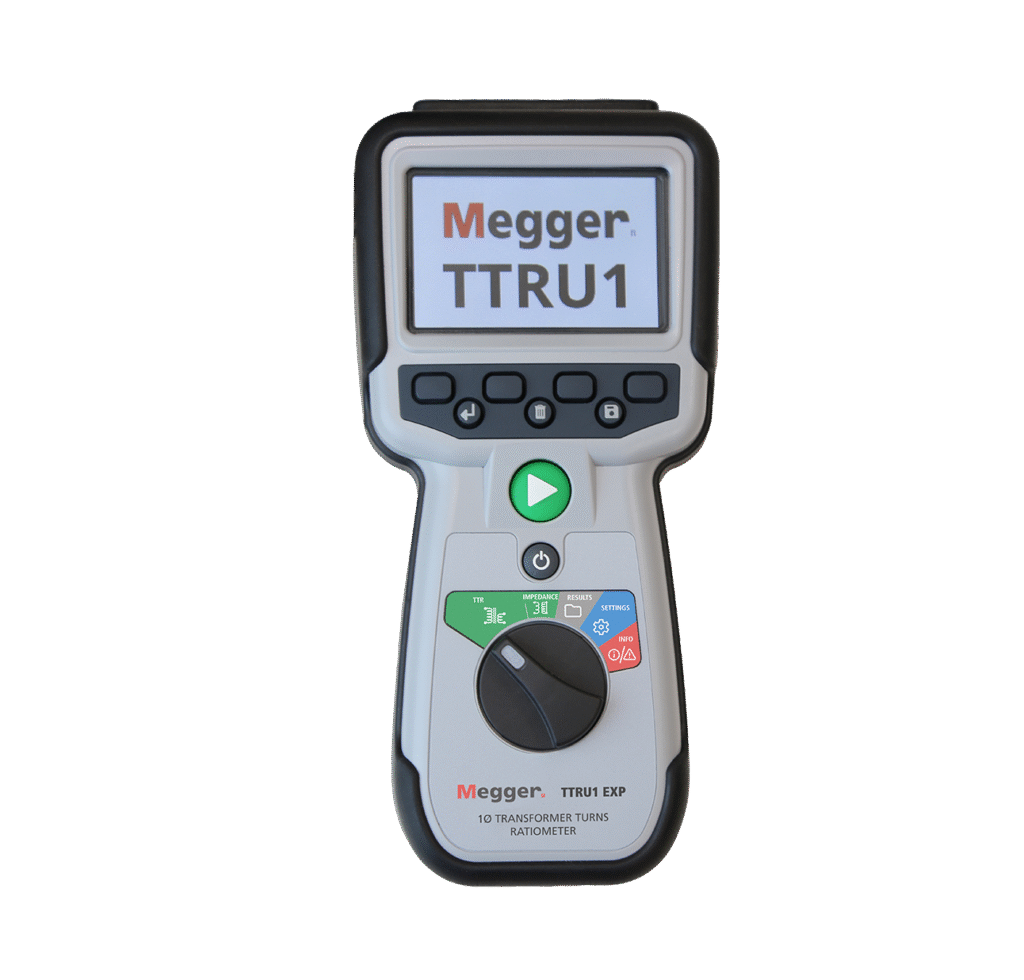
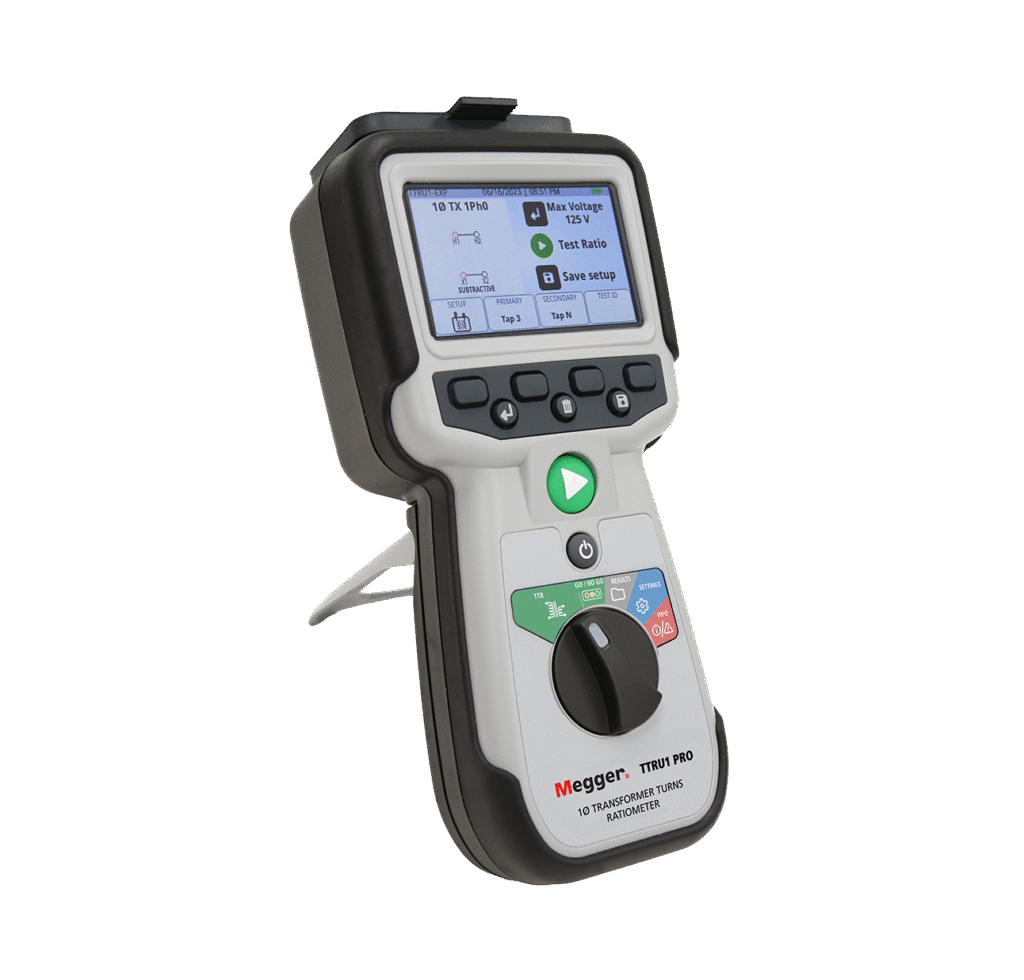
Adiradh offers the Handheld Transformer Turns Ratiometer TTRU1 for accurate transformer turns ratio measurement. Moreover, the handheld format supports quick testing, therefore improving field efficiency. In addition, the compact design allows easy handling, thus reducing operator fatigue. Also, low-voltage testing ensures safe operation, consequently minimizing risk. Furthermore, digital measurement improves accuracy and repeatability. However, the tester remains simple to operate for routine use. As a result, technicians can perform ratio checks without complex setup. Moreover, battery-powered operation supports testing in remote locations. In addition, the clear digital display improves readability of results. Also, stable readings support dependable analysis, consequently improving decision-making. Furthermore, the device supports common transformer ratings. However, testing time remains short due to fast measurement. As a result, maintenance tasks are completed efficiently. Finally, the handheld transformer turns ratiometer TTRU1 supports regular inspection programs, thus ensuring consistent transformer performance.
Overview
The handheld transformer turns ratiometer TTRU1 is designed for accurate transformer turns ratio testing. Moreover, it supports single-phase transformer measurement, therefore simplifying the test process. In addition, the compact handheld format enables easy use in field conditions. Also, battery-powered operation allows flexible testing without external supply. Furthermore, the digital display provides clear and stable readings. However, the tester maintains accuracy across common transformer ratings. As a result, technicians can perform quick verification tasks. Moreover, minimal connections reduce setup time. Consequently, the device supports efficient commissioning and maintenance work.
Datasheet for Handheld Transformer Turns Ratiometer TTRU1
Product Highlights The handheld transformer turns ratiometer TTRU1 offers precise ratio measurement in a portable unit. Moreover, the handheld design improves mobility during field testing. In addition, low-voltage excitation ensures safe testing conditions. Also, digital measurement delivers repeatable results, consequently improving reliability. Furthermore, simple operation reduces the learning curve. However, the tester supports consistent performance during routine use. As a result, maintenance activities are completed faster. Moreover, clear digital indication improves result interpretation. In addition, battery operation supports remote testing. Finally, the device is suitable for regular transformer inspection programs.
Technology & Benefits
The handheld transformer turns ratiometer TTRU1 uses digital measurement technology for accurate turns ratio calculation. Moreover, low-voltage excitation is applied, therefore ensuring operator safety. In addition, internal digital processing improves measurement stability. Also, automated measurement reduces manual steps, consequently minimizing errors. Furthermore, the digital display presents clear and readable results. However, the tester remains simple to operate in field conditions. As a result, testing time is reduced significantly. Moreover, battery-powered design supports flexible on-site testing. In addition, consistent readings support reliable condition assessment. Finally, the technology ensures dependable performance for routine transformer maintenance.
Key Features
Handheld transformer turns ratio measurement
Digital display with clear readings
Low-voltage excitation method
Battery-powered operation
Suitable for single-phase transformers
Lightweight and portable design
Applications
Distribution transformer testing
Field maintenance testing
Transformer commissioning checks
Routine inspection programs
Service and repair diagnostics
Advantages The handheld design improves portability and ease of use. Moreover, simple connections reduce setup errors, therefore improving efficiency. In addition, accurate readings support reliable transformer assessment. Also, battery operation allows testing in remote locations. Consequently, maintenance productivity and test confidence are improved.